


I found the SimpliSafe Home Security App most useful when I treated it as a remote control for an existing SimpliSafe wireless security system, rather than as a complete security solution by itself. That distinction matters. The app is made for people who already use SimpliSafe equipment and want to check or manage their setup while away from home. In my experience, its value comes from reducing the number of small security tasks that require being physically present: checking the system before bed, changing its state when plans change, or making sure the house is protected after leaving in a hurry.
As a free lifestyle app from SimpliSafe Home Security Systems, it is easy to try if you already own compatible equipment. It has built a strong audience, with an average rating of 4.5 from around 33 thousand ratings and more than a million installs. Those figures suggest that the basic idea works for many households, but they should not be mistaken for a promise that every installation will feel equally smooth. Your experience depends heavily on the security hardware, the quality of your connection, and how often you need to interact with the system.
What using the app feels like in everyday life
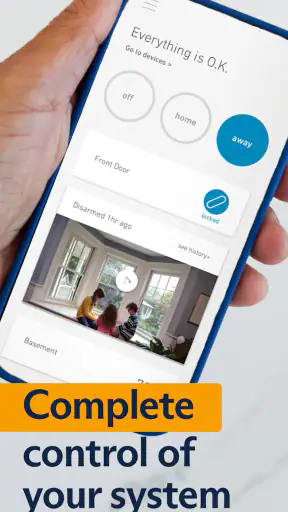
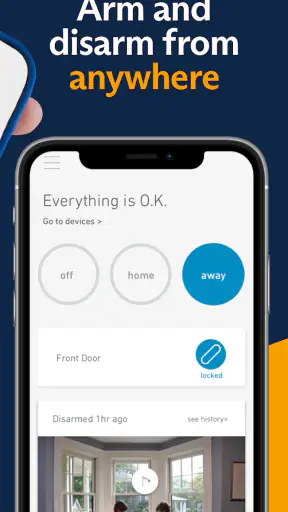
The central experience is straightforward: I open the app when I want to interact with my SimpliSafe system from a distance. That makes it especially practical during ordinary moments rather than emergencies. Imagine leaving for work and realizing halfway down the street that you cannot remember whether the alarm was set. Instead of turning around, the app gives you a way to check and manage the system remotely. The same workflow is useful when you are already in bed, welcoming a visitor while you are away, or asking a family member to enter the house.
I also like the psychological benefit of having security information in the same place I use for other mobile tasks. A dedicated security panel can be reassuring, but it is not always nearby. A phone is usually with me, so remote access feels more natural than relying on memory or physically returning to the keypad. That convenience is the app's strongest argument, and it is more meaningful than a long list of isolated controls.
Still, I would not describe it as a replacement for understanding the physical system. The app does not make a weak installation strong or remove the need to think about who has access to the home. Before relying on it, I would make sure every regular user knows the difference between the available system states and understands what should happen when someone enters unexpectedly. Remote control is helpful only when the people using it have a clear routine.
Remote control is most valuable when plans change
The most convincing use case is not constant monitoring. It is the unexpected change of plan. A delivery arrives earlier than expected, a relative needs to enter the house, or a neighbor agrees to check on a pet. In those situations, an app-based control layer is more flexible than a traditional setup that can only be managed from inside the property. I found that this flexibility reduces the temptation to leave the system in a less secure state simply because returning home is inconvenient.
There is also a useful distinction between checking and acting. I tend to check first, then decide whether a change is necessary. That small habit helps avoid tapping through controls automatically, especially when another person may already be inside. For households with several users, the app works best when everyone agrees on a simple rule: check the current state before changing it, and communicate when someone is entering or leaving.
That workflow is one of the less obvious strengths of a connected security app. The benefit is not merely that a button appears on a phone. It is that the phone can become part of a household routine, allowing a person to make a deliberate decision from wherever they are. I would recommend setting up that routine before an actual stressful situation, because remote access is easier to trust when you have already used it calmly.
Where the developer's approach feels practical
SimpliSafe Home Security Systems has kept the app focused on its own security ecosystem. That focus can be a benefit for users who do not want to assemble several unrelated apps for one home. Instead of switching between a general smart-home platform and a separate security tool, SimpliSafe owners have a dedicated place for their system. I prefer that kind of focused design when the main task is security, because unnecessary integrations can make an important action harder to find.
The app is also positioned clearly in the lifestyle category, which makes sense for a product used as part of daily home management. It is not entertainment, a social network, or a general automation dashboard. Its purpose is narrow, and that narrow purpose helps set reasonable expectations. If your main question is whether you can interact with your SimpliSafe setup while away, this is the relevant app to consider.
The current version is 8.2.0, and the application requires an operating system version of 12 or newer. That requirement is worth checking before planning to use it on an older phone. On a supported device, the experience is intended to be current and maintained, but the operating-system requirement can become a practical barrier for households that keep an aging phone as a backup or shared device.
Useful habits that make remote access safer
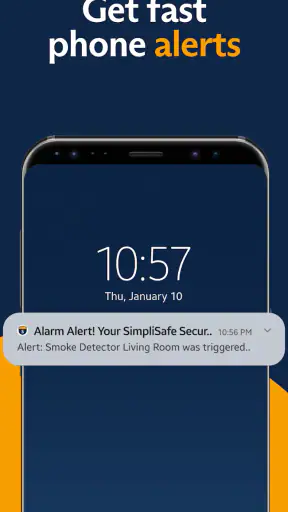
My first recommendation is to avoid treating the app as a shortcut for every decision. If you receive an alert or notice something unusual, pause before changing the system state. A remote command can be convenient, but it can also create confusion if another household member is home. A quick message or phone call may be the safer companion to the app when several people share responsibility.
My second recommendation is to use it as part of a departure checklist. I would check doors, windows, pets, and anyone remaining in the house before changing the system. The app can handle the remote part, but it cannot replace those physical checks. This is a small but important trade-off: digital convenience can make people feel finished before the real-world preparation is complete.
Third, I would test the remote workflow during an ordinary day rather than waiting until travel or an urgent situation. Open the app, confirm that you recognize the system information, and make sure you understand what happens after a change. That practice reveals whether the app feels clear on your particular phone and whether the household has a shared understanding of its use. It also prevents the common mistake of discovering confusion only when nobody is available to help.
The main weakness is dependence on the whole setup
The app's biggest limitation is that it is not independent. Its usefulness is tied to the SimpliSafe wireless security system and to the conditions that allow your phone to communicate with it. If the hardware is not installed, configured, or available in the way you expect, the app cannot compensate. This is why I would not recommend downloading it first and assuming it will provide standalone protection.
That dependence also changes how I judge reliability. A security app is not like a notes app, where a delayed refresh is merely annoying. If the system state is important, I want to know that the information I am seeing is current and that an action has completed as intended. Any hesitation, unclear status, or connection problem deserves more attention than it would in an ordinary lifestyle app. I would rather verify a result than assume a tap succeeded.
Another limitation is the possibility of account and household complexity. The more people who use a security system, the more important it becomes to manage access carefully and agree on procedures. A couple with a simple routine may find the app effortless. A larger household, a rental property, or a home with frequent visitors may need more coordination. The application can support remote interaction, but it cannot resolve disagreements about who should control the system.
This is also where some alternatives may be better. If you want one app to combine security equipment from several manufacturers, smart lighting, cameras, locks, and broader home automation, a general smart-home platform may offer a wider view. That broader approach can be attractive when your priority is combining many brands. The trade-off is that a general platform may feel less focused than a dedicated SimpliSafe controller. I would choose the dedicated app for a SimpliSafe-centered home and look elsewhere if cross-brand automation is the main goal.
Who should use it, and who should skip it
I think this app is a strong fit for an existing SimpliSafe customer who travels, works irregular hours, or shares responsibility for a home with another person. It is particularly useful for someone who often remembers security tasks only after leaving the property. The ability to interact remotely can turn those moments from a drive back home into a quick, deliberate check.
It is also a sensible choice for households that want a focused experience rather than a large smart-home dashboard. If you prefer a dedicated tool for your security system and do not need one application to coordinate unrelated brands, the focused approach is likely to feel more comfortable. The free price makes the app itself easy to add to that setup, although the overall value naturally depends on owning and using the compatible SimpliSafe system.
I would skip it if you do not have SimpliSafe equipment or if you are shopping for a standalone security service that works without a dedicated hardware ecosystem. Downloading the app alone will not turn a phone into a complete home alarm. I would also hesitate if your phone cannot meet the minimum operating-system requirement, because a security tool should not be forced onto an unsupported device.
People who need extensive cross-brand automation should compare their priorities before committing. A broad smart-home platform may be more appropriate when security is only one part of a much larger connected-home plan. On the other hand, that choice may introduce more menus and more points of failure. The right option depends on whether you value SimpliSafe-specific control or a single dashboard for many kinds of devices.
What I would want to know before installing it
The first question is whether it costs anything to download. The app itself is free, which removes an obvious barrier for SimpliSafe owners. The more important question is whether it fits the security equipment already in your home. I would identify the exact system and make sure the phone meets the operating-system requirement before building a routine around remote control.
The next question is whether it is suitable for every family member. I would not assume that giving everyone access is automatically convenient. A smaller, clearly managed group may be safer than a large list of occasional users. For children, guests, cleaners, or short-term visitors, I would consider whether they truly need remote control or only need a separate way to enter the home.
Another practical question is whether the app can replace a physical interaction in every situation. I would answer no. It is valuable for remote management, but I would still keep the physical system familiar to the people who live in the house. A phone can be misplaced, unavailable, or out of power. A resilient household routine should not depend on one screen alone.
Finally, I would ask whether the app is worth using if I rarely leave home. Even then, it can be useful for occasional schedule changes or shared access, but the benefit will be smaller. Someone who is almost always near the security panel may not notice a dramatic improvement. The strongest value appears when distance, timing, or multiple users regularly make physical control inconvenient.
My final view after living with the idea
The app succeeds because it makes a SimpliSafe security system easier to manage when you are not standing in front of it. That is a focused promise, and I think it delivers the most value when used thoughtfully: check the state, consider who is home, make the necessary change, and verify the result. It is less impressive as a general smart-home command center, but that is not really its purpose.
Its limitations are equally clear. It depends on the SimpliSafe ecosystem, requires a relatively recent operating system, and cannot replace sensible household procedures or physical preparation. Users who expect a phone app to provide independent protection should look elsewhere. Users who want broad control over equipment from many brands may also prefer a more universal platform.
For an existing SimpliSafe owner, though, I would recommend installing it. The combination of free access, remote convenience, and a focused role makes it a practical addition to everyday home security. It is best for people who want fewer moments of uncertainty after leaving home, not for people searching for an all-purpose automation hub. With that expectation in place, I found it useful, easy to justify, and much more valuable during ordinary changes of plan than the short store description suggests.
The app is rated for Everyone, which fits its role as a household management tool, and it has been available since Aug 24, 2012. That long presence, together with its current maintenance, gives it the feel of an established companion rather than a novelty. I would still judge it by your own system and routine, but for the right user, SimpliSafe Home Security App is a sensible way to keep security control close at hand.


